
Mental Wellbeing & Self Care: A Wellness Workshop for Everyone

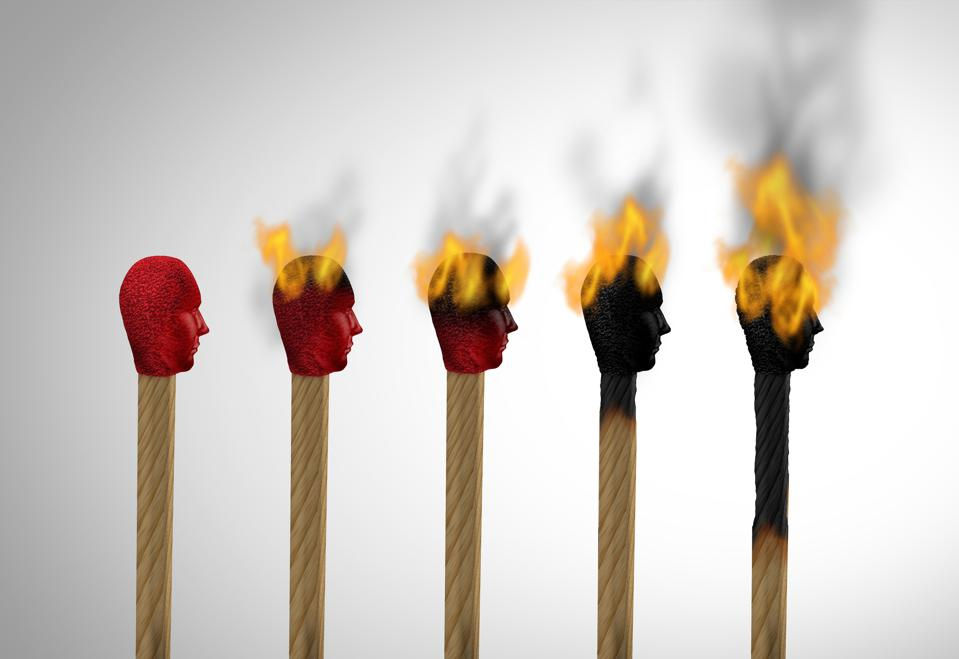
Work stress doesn’t always look dramatic. Sometimes it’s the employee who stops speaking up. The manager who’s “fine” but running on fumes. The team that keeps hitting deadlines, yet slowly loses energy, trust, and focus.
That’s why mental health awareness in the workplace can’t be limited to a poster in the break room or a one-time email in May. People need real tools they can use when pressure builds, communication gets tense, or life outside work follows them into the day.
Jerry Givens offers a Mental Wellbeing & Self Care workshop that can be delivered virtually or in person, making it easier to meet teams where they are. For organizations with hybrid, remote, or multi-location employees, that flexibility matters.

Workplace mental health needs practical support
The World Health Organization has named work as a major factor in mental health, both as a source of stress and as a place where people can find structure, connection, and purpose. That means the workplace can either add to the load or help people carry it better.
That means the workplace can either add to the load or help people carry it better.
Most employees don’t need a lecture on why stress is bad. They already feel it. What helps is learning how stress shows up in the body, how to slow down before reacting, and how to build realistic habits that fit into a busy day.
A good workplace session can open the door to conversations about:
Stress signals
What it feels like when the body is stuck in pressure mode.
Healthy boundaries
How to protect focus, energy, and personal time without guilt.
Self care that works
Small daily habits that are easier to keep than a total lifestyle reset.
Supportive team culture
How people can notice strain without trying to become therapists.
This kind of corporate wellness programming works best when it feels human. People are more likely to listen when the session connects with real life, not just policy language.
Virtual sessions make support easier to access
Virtual mental wellbeing sessions are a strong fit for remote teams, distributed departments, regional offices, and employees who may not be able to attend in person.
They also lower some common barriers. Some people feel more comfortable joining from a private place. Others may be more likely to attend when they don’t have to travel, rearrange childcare, or move between locations.
A virtual session can still feel personal when it’s built with care. It can include guided reflection, simple breathing practices, discussion prompts, and tools that employees can try right away. For example, a facilitator might walk participants through a short reset they can use before a difficult conversation or after reading an upsetting email.
That matters because stress management isn’t only about big crises. It’s also about tiny moments during the day when the nervous system gets activated and needs a way back to steadiness.
For HR and engagement teams, virtual options also make scheduling easier. A session can support employees across time zones, departments, or shifts without asking everyone to be in the same room.
In-person sessions create connection people can feel
Virtual access is powerful, but there’s still something special about gathering in the same space.
In-person sessions give people a chance to slow down together. They can create a shared experience that sticks. When a group practices grounding, reflection, or honest conversation in the same room, it can help normalize mental health support in a very real way.
That doesn’t mean the session has to feel heavy. In fact, the best ones often feel warm, calm, and practical. People leave with language and tools they can use without feeling exposed or singled out.
In-person sessions can work well for:
Employee appreciation events
Wellness days
Manager trainings
Quarterly team gatherings
Staff retreats
Mental Health Awareness Month programming
New employee engagement efforts
The goal isn’t to turn everyone into a mental health expert. The goal is to help people understand themselves better, care for themselves with more intention, and support a healthier workplace culture.
What employees can take back into the workday
A strong Mental Wellbeing & Self Care session should leave people with more than a good feeling. It should give them something they can actually use on a Tuesday afternoon when inboxes are full and patience is low.
Employees may walk away with simple tools for:
Naming what they’re feeling before it spills into behavior
Taking short recovery breaks without shame
Using breath and body awareness to settle before responding
Building healthier routines around sleep, movement, and connection
Knowing when to seek mental health support
Talking about pressure with more honesty and less stigma
These skills can support employee wellness without putting all the responsibility on individual workers. A healthier workplace also needs reasonable expectations, clear communication, and leaders who model balance.
Still, individual tools matter. A two-minute reset won’t fix a broken system, but it can help a person get through a hard moment with more clarity. Over time, those habits can support personal well-being and better working relationships.
This content is for general education and awareness. It isn’t a replacement for medical care, therapy, or crisis support.
Make mental health awareness part of the culture
Mental health awareness works best when it shows up before there’s a problem. When employees hear real, grounded conversations about stress, self care, and emotional wellbeing, it becomes easier to ask for help early.
That’s where Jerry Givens’ Mental Wellbeing & Self Care workshop can fit beautifully. Whether the team gathers in person or logs in from different locations, the focus stays the same: practical tools, honest conversation, and support people can use in daily life.
If the next wellness event needs to feel useful instead of performative, book a Mental Wellbeing & Self Care workshop with Jerry Givens.
A workplace doesn’t become healthier through one session alone. But one good session can open the door, give people shared language, and remind employees that caring for their minds and bodies belongs in the workday too.


Comments